
The Hidden Stories Within Jesus’ Family Tree
Introduction:
Let’s be honest – the genealogies in Matthew and Luke can seem like a bit of a slog. Pages filled with names and dates, stretching back centuries… it’s easy to skip over them and move on to the more exciting stories. If you’ve ever read the Old Testament, you’ve likely encountered this pattern: “So-and-so begat so-and-so.” It can feel repetitive and, frankly, a little tedious.
But what if I told you that these seemingly dry lists hold hidden treasures? What if understanding these family trees unlocks deeper insights into who Jesus was and why he came to Earth? Today, we’ll delve into the unique features of Matthew and Luke’s genealogies, exploring their intended audiences and the messages they convey.
Matthew’s Genealogy: Establishing a Kingly Claim
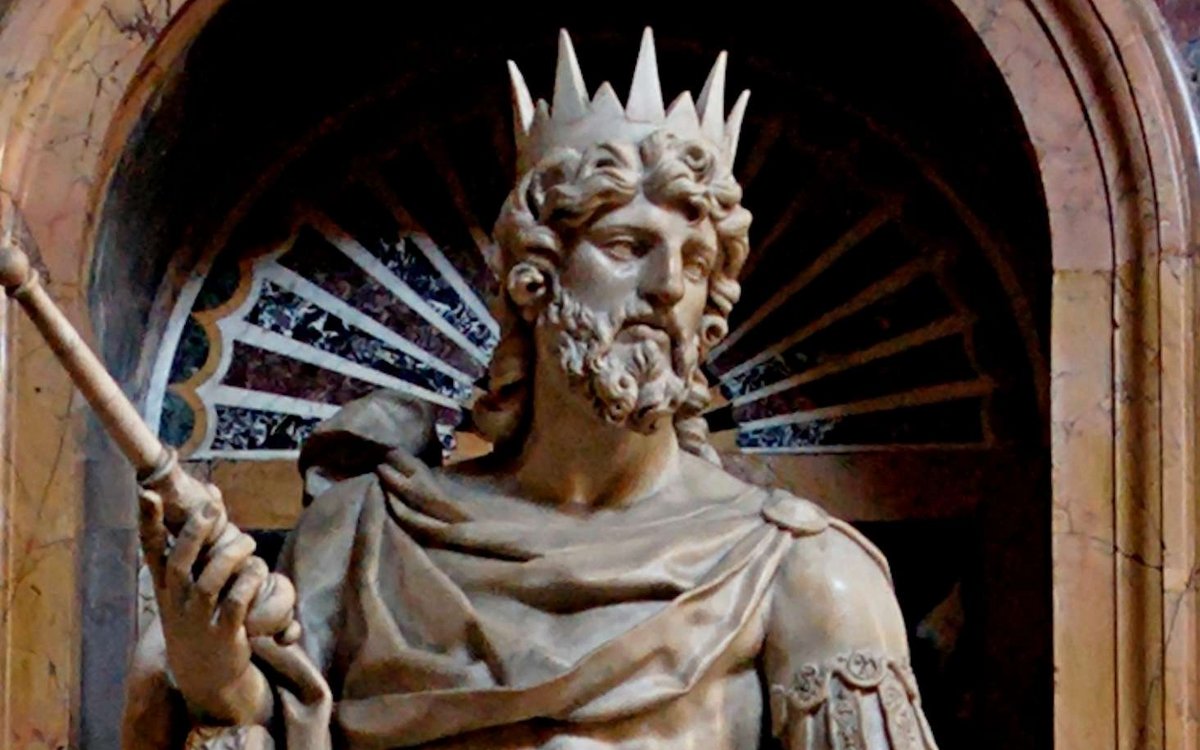
Matthew’s genealogy, starting with Abraham and moving forward to Jesus, emphasizes Jesus’ Jewish heritage and his claim to the throne of David. It’s written for a Jewish audience and seeks to establish Jesus as the rightful heir to David’s kingdom.
The way Matthew structures this genealogy is also significant. He divides it into three groups of fourteen generations each, representing key periods in Israel’s history: the time of the patriarchs (Abraham, Isaac, Jacob), the period of the Israelite monarchy (kings like David and Solomon), and the time of exile from the land of Israel. This deliberate arrangement highlights God’s plan unfolding through history toward its culmination in Christ.
Now, here’s where things get particularly fascinating. Traditional Jewish genealogies typically only listed male descendants. So, the inclusion of women – Tamar, Rahab, Uriah’s wife (Bathsheba), and Mary – is quite remarkable. It’s not what you’d expect. Let’s look at each of them individually:
These women, each with their own unique and often complicated stories, demonstrate that God’s plan is bigger than human standards and that even people with flawed pasts can play a vital role in bringing about his purposes. It also highlights the surprising and unpredictable nature of God’s grace.
Luke’s Genealogy: Connecting to All Humanity
Luke’s genealogy takes a completely different approach. Instead of starting with Abraham, it begins with Jesus and traces the lineage all the way back to Adam, the first human being. This is a huge difference. It’s as if Luke is saying, “Jesus isn’t just the king of the Jews; he’s connected to everyone.”
This approach is particularly important when you consider Luke’s audience. He was writing for a broader, more diverse readership, including many Gentiles (non-Jews). By tracing Jesus’ lineage all the way back to Adam, Luke emphasizes that Jesus came to save the entire world, not just a select few.
The culminating lines of Luke’s genealogy – “the son of Adam, the son of God” – are incredibly powerful. They highlight the profound reversal of human history. As the Apostle Paul explains in Romans 5:12-17, “…through one man sin entered into the world, and through one man death passed upon all men.” But, crucially, “much more did the grace of God, and the gift by the grace of the one man, Jesus Christ, abound to the many.” Jesus offers a way to overcome sin and death and be reconciled to God.
This perspective is further reinforced by 1 Corinthians 15. Paul describes Jesus as the “Second Adam” (1 Corinthians 15:45), reversing Adam’s failure. Adam was a “living soul,” while Jesus is a “life-giving spirit.” This underscores the transformative nature of Jesus’ resurrection and his ability to overcome the power of sin and death. Paul powerfully states, “Death is swallowed up in victory” (1 Corinthians 15:55), affirming that Jesus has conquered the forces of death and sin, offering freedom to all who believe.
Comparing the Approaches
Matthew’s genealogy emphasizes Jesus’ royal lineage and his connection to the Jewish people. Luke’s genealogy highlights Jesus’ universal significance and his connection to all of humanity. While their approaches differ, both genealogies ultimately point to the same truth: Jesus is the Messiah, the Son of God, and the Savior of the world.
Conclusion:
The genealogies in Matthew and Luke are more than just ancient family trees; they’re windows into the heart of the Gospel message. They reveal the incredible story of Jesus – his Jewish heritage, his royal claim, and his universal significance. Whether you’re a long-time Christian or just beginning to explore the Bible, taking a closer look at these genealogies can deepen your understanding of who Jesus is and why his life and teachings continue to inspire and transform the world.
Points to Ponder
Let us ask ourselves:
Share your thoughts and reflections in the comments below!
Closing Prayer
Dear God,
thank you for revealing yourself to us
through the pages of Scripture.
Help us to see beyond the surface and to grasp
the profound truths hidden within these ancient texts.
Open our hearts and minds to understand your grace,
your love, and your unwavering commitment
to redeeming humanity.
May we be inspired to live lives that reflect the hope
and transformation found in Jesus Christ.
In Jesus’ name, we pray. Amen.
Footnote: This post represents the author’s original reflections and takeaways from the Scripture passage. Artificial intelligence was utilized to research background information, and then refine and structure these thoughts into a cohesive and engaging blog post, while preserving the author’s core ideas and interpretations.