
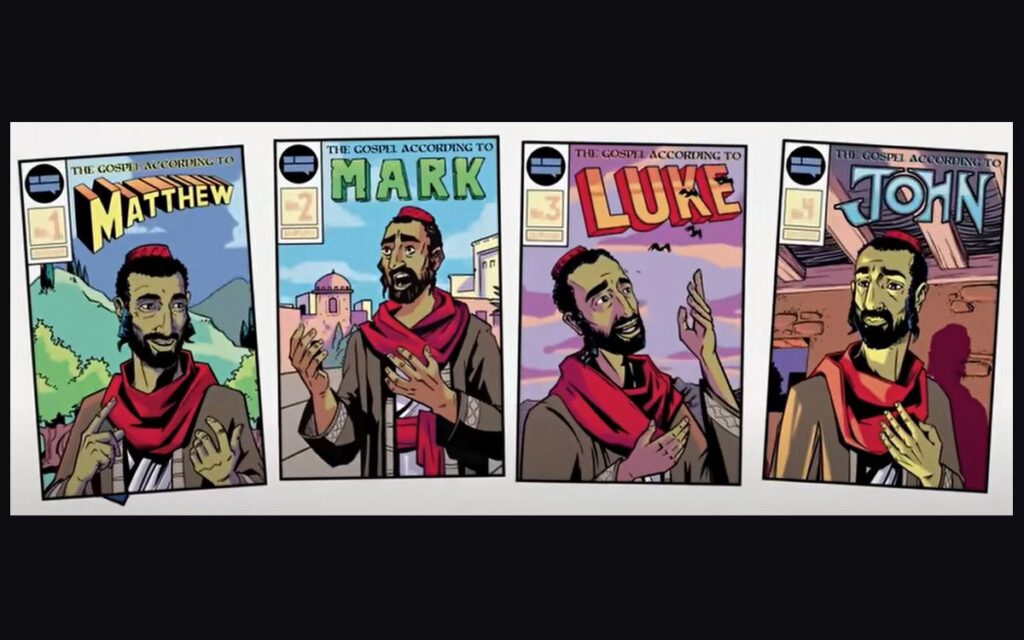
1. Meet the Gospel Writers
SCRIPTURES: OVERVIEW OF MATTHEW, MARK, LUKE AND JOHN | The New Testament includes four Gospels—Matthew, Mark, Luke, and John—that tell the story of Jesus as an announcement of good news. These accounts reveal Jesus as the true ruler of the nations and connect his life to the broader biblical narrative. The Gospels are often explored through frameworks like “four voices, three places, two lenses, one story.” Each Gospel offers unique perspectives on Jesus’ life and teachings, and key verses highlight their distinct themes. This content invites deeper reflection and exploration of the Gospels’ significance in Christian faith.
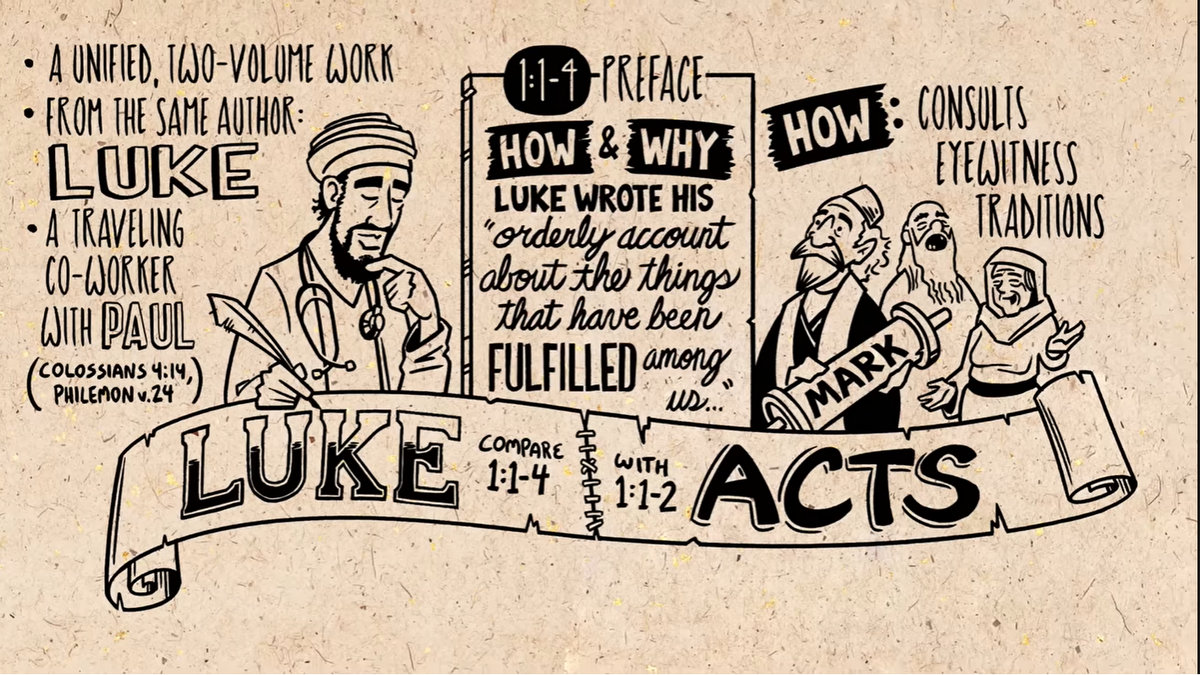
2. Summary of Luke’s Narrative
Scriptures: Overview Luke’s Gospel | The Gospel of Luke, part one of the Luke-Acts narrative, presents Jesus as the Messiah fulfilling God’s covenant with Israel and the world. Written by Luke, a companion of Paul, it emphasizes Jesus’ mission of liberation for the poor, outcasts, and oppressed. The narrative includes Jesus’ teachings, parables, and journey to Jerusalem, culminating in His death and resurrection. Luke highlights Jesus as a compassionate leader who challenges societal norms and calls for humility, repentance, and inclusivity.
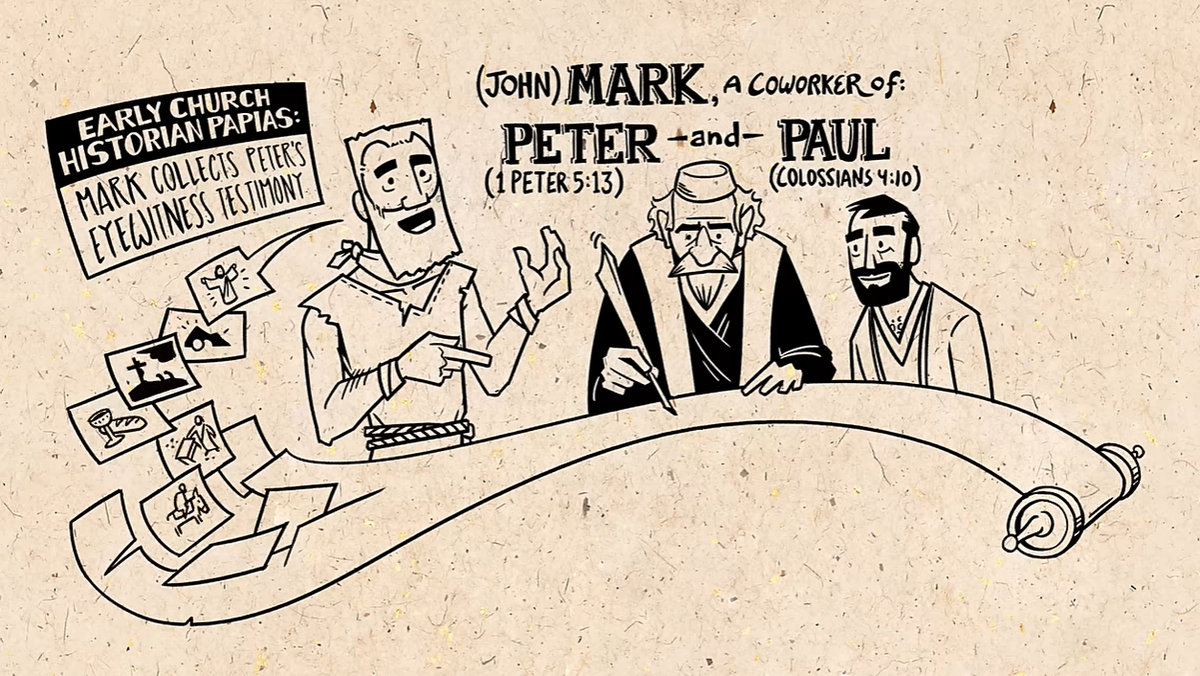
3. Summary of Mark’s Narrative
Scriptures: Overview of Mark’s Gospel | The Gospel of Mark presents Jesus as a central figure through his actions and words, shaped by the eyewitness accounts of Peter. Mark’s narrative is structured as a three-act drama, concluding with an abrupt ending that leaves the reader to reflect on the claim that the crucified and risen Jesus is the Messiah. The story challenges readers to consider whether they will recognize Jesus as King and share the good news.
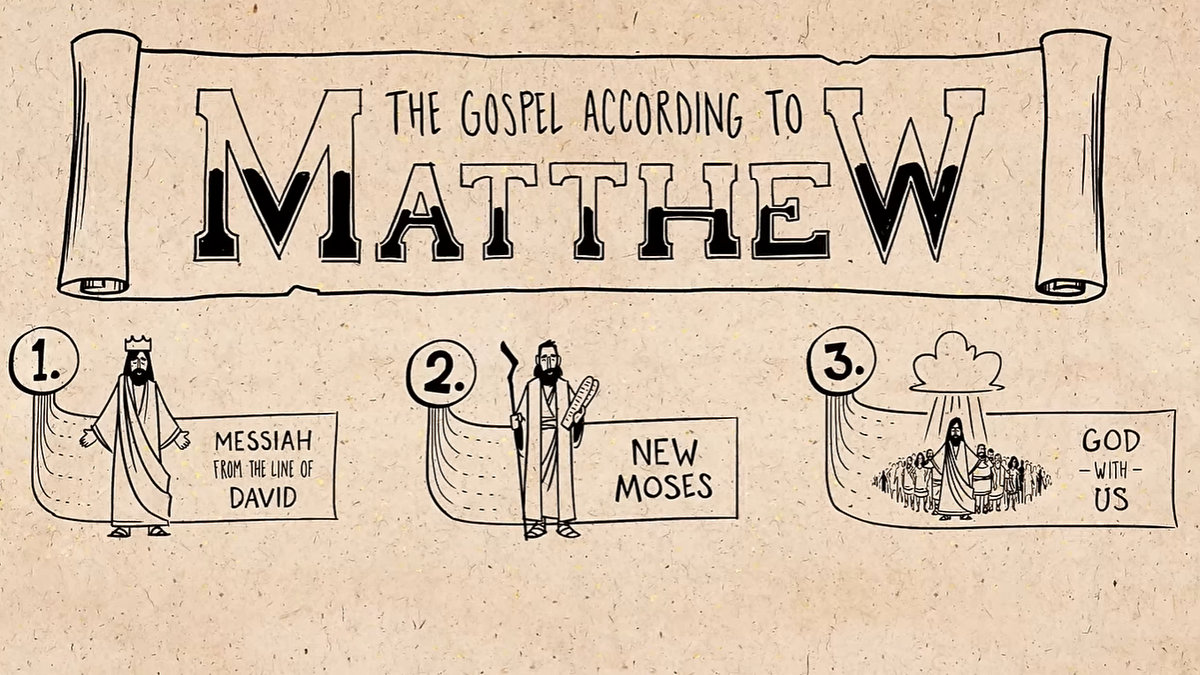
4. Summary of Matthew’s Narrative
The Gospel of Matthew is a carefully structured narrative that presents Jesus as the fulfillment of the Old Testament. Written by the apostle Matthew, it highlights Jesus as the new covenant teacher, paralleling the five books of Moses. The gospel is divided into five major sections, each ending with a teaching, emphasizing Jesus’s role as the Servant Messiah. It explores themes of identity, conflict, and the upside-down nature of his kingdom, culminating in the Great Commission.
5. Summary of John’s Narrative
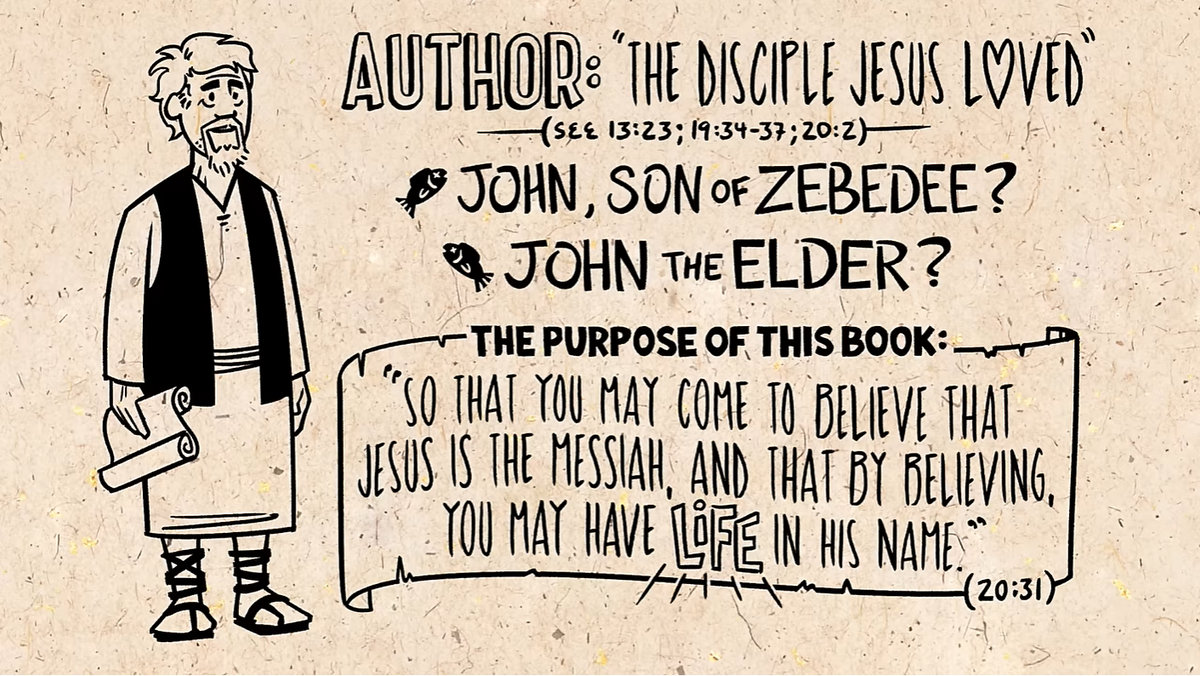
Scriptures: Overview of John’s Gospel Summary of John’s Narrative (2 Parts) This video provides an overview of The Gospel According to John, one of the earliest accounts of Jesus’ life, embodying the eyewitness testimony of “the disciple whom Jesus loved”. The Gospel’s purpose, as stated near the end, is written so that readers “may come to…
1. Birth of John the Baptist Foretold
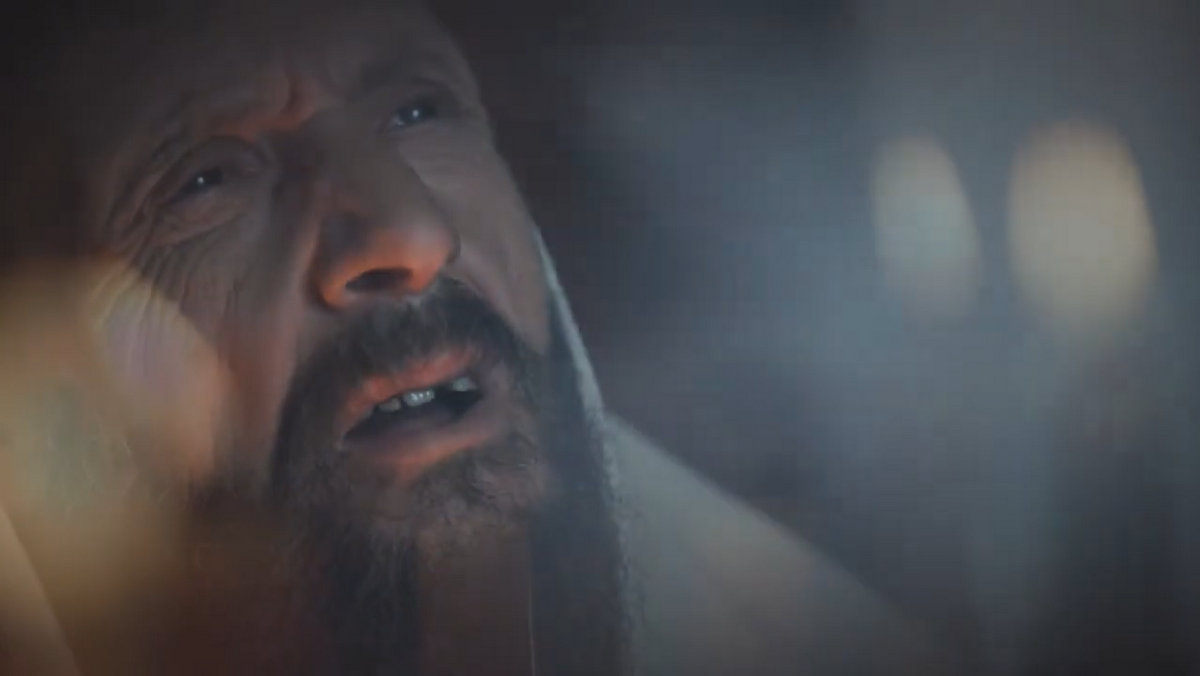
Luke 1:1-25 – In the days of King Herod, the priest Zacharias and his wife Elizabeth were righteous but childless. While serving in the temple, the angel Gabriel appeared to Zacharias, announcing that Elizabeth would bear a son named John. This child would be great before the Lord, filled with the Holy Spirit from birth, and would prepare the people for the Lord in the spirit of Elijah. When Zacharias doubted due to their old age, Gabriel struck him mute until the prophecy’s fulfillment. Elizabeth soon conceived, recognizing God’s favor upon her.
2. John is Born
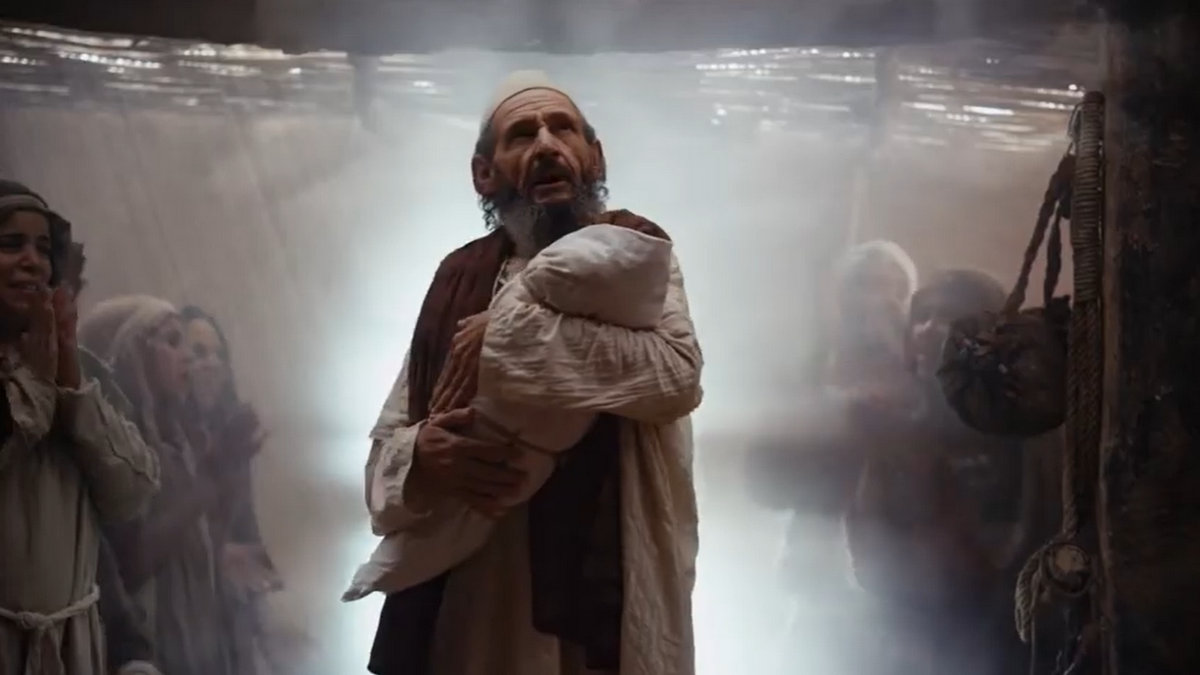
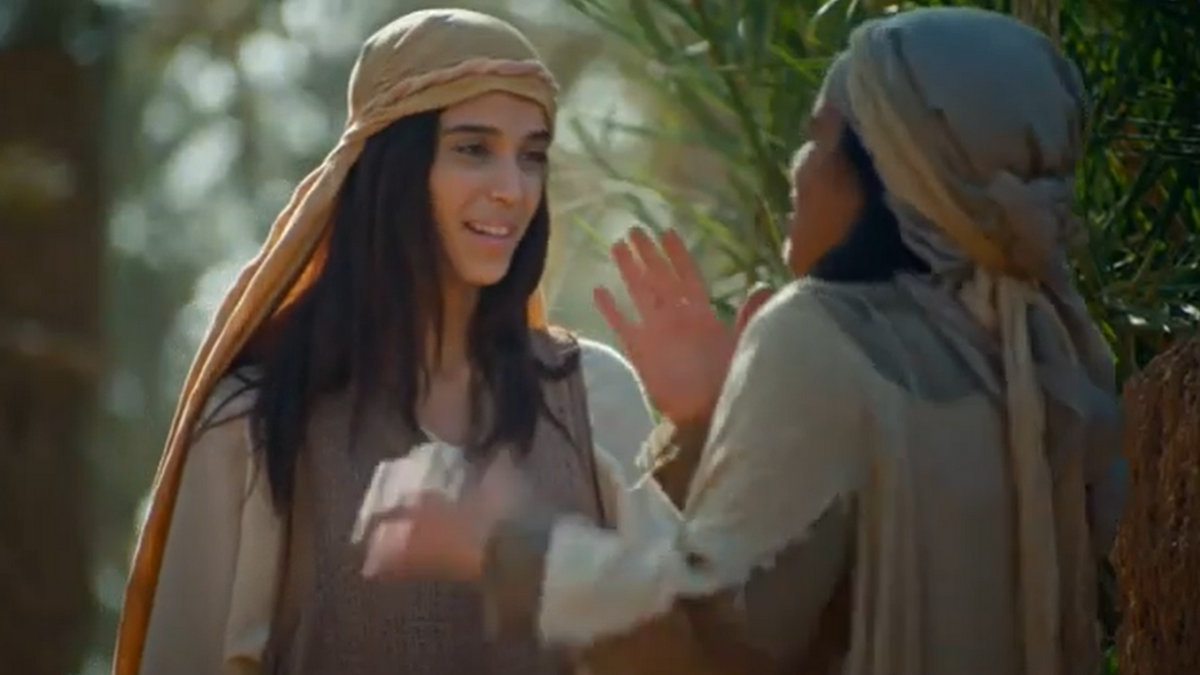
Luke 1:39-80 – Mary visits Elizabeth, whose baby leaps in her womb upon hearing Mary’s greeting. Elizabeth, filled with the Holy Spirit, blesses Mary as the mother of the Lord. When Elizabeth gives birth to her son, neighbors expect him to be named Zacharias, but she insists on John. His father confirms this in writing, immediately regaining his speech. Zacharias prophesies about God’s redemption and declares his son will be a prophet preparing the way for the Lord. The child grows strong in spirit in the desert.
3. John the Baptist Prepares the Way
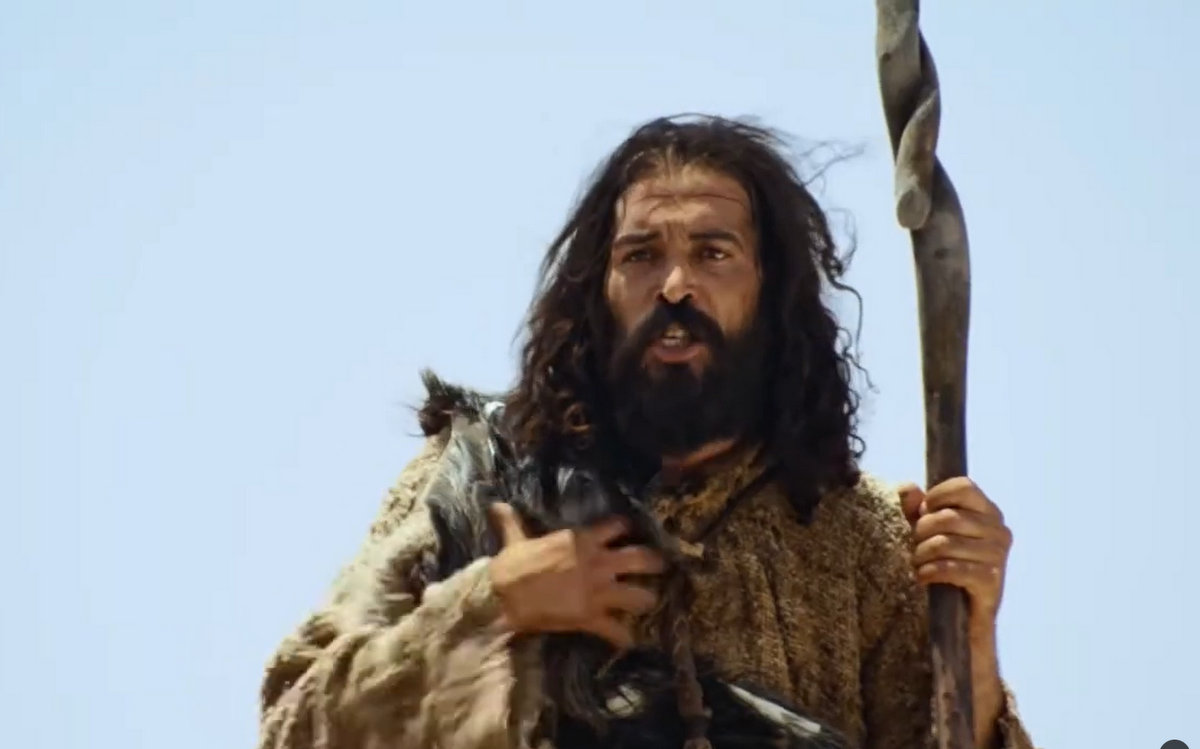
Scriptures: Luke 3:1-22; Mark 1:1-11; Matthew 3:1-17 John the Baptist Prepares the Way Luke 3:1-22 Now in the fifteenth year of the reign of Tiberius Caesar, Pontius Pilate being governor of Judea, and Herod being tetrarch of Galilee, and his brother Philip tetrarch of the region of Ituraea and Trachonitis, and Lysanias tetrarch of Abilene, 2…

4. The Testimony of John the Baptist
Scriptures: John 1:15-34 The Testimony of John the Baptist John 1:15-28 John testified about him. He cried out, saying, “This was he of whom I said, ‘He who comes after me has surpassed me, for he was before me.’” 16 From his fullness we all received grace upon grace. 17 For the law was given through…
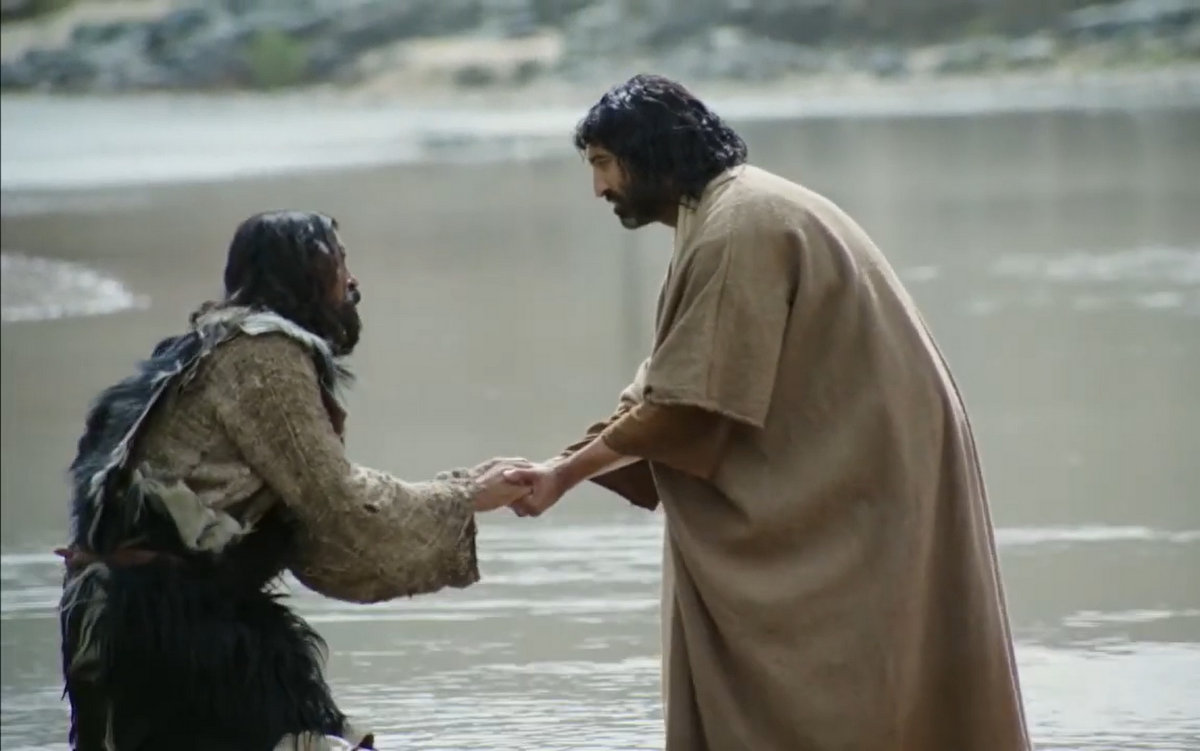
5. “He Must Increase and I Must Decrease” – John the Baptist
Scriptures: John 3:22-36 John the Baptist Exalts Christ John 3:22-30 After these things, Jesus came with his disciples into the land of Judea. He stayed there with them, and baptised. 23 John also was baptising in Enon near Salim, because there was much water there. They came, and were baptised. 24 For John was not yet…
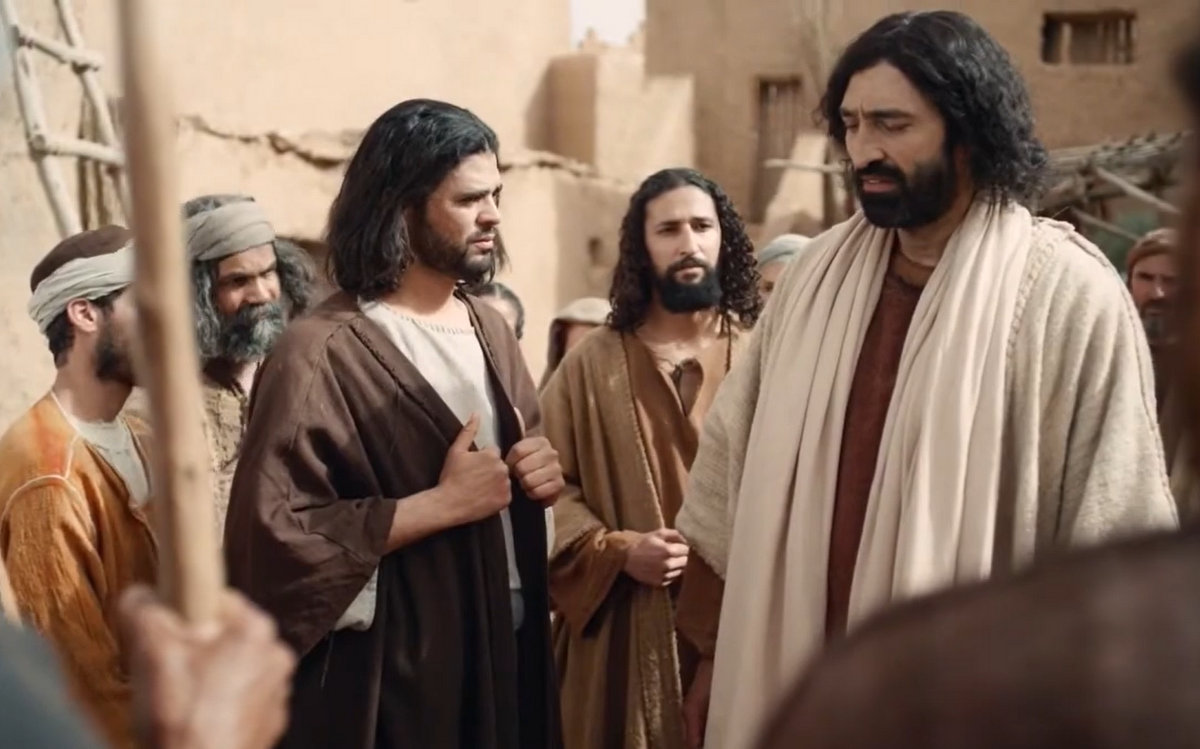
6. Messengers from John the Baptist
Scriptures: Luke 7:18-35; Matthew 11:1-19 Messengers from John the Baptist Luke 7:18-35 The disciples of John told him about all these things. 19 John, calling two of his disciples to himself, sent them to Jesus, saying, “Are you the one who is coming, or should we look for another?” 20 When the men had come to…
7. The Death of John the Baptist
Scriptures: Luke 9:7-9; Mark 6:14-29; Matthew 14:1-12 Herod Is Perplexed by Jesus Luke 9:7-9 Now Herod the tetrarch heard of all that was done by him; and he was very perplexed, because it was said by some that John had risen from the dead, 8 and by some that Elijah had appeared, and by others that…

1. Birth of Jesus Foretold
Scriptures: Luke 1:26-38 An Angel Appears to Mary Luke 1:26-38 Now in the sixth month, the angel Gabriel was sent from God to a city of Galilee named Nazareth, 27 to a virgin pledged to be married to a man whose name was Joseph, of David’s house. The virgin’s name was Mary. 28 Having come in,…
2. Mary’s Song – the Magnificat
Scriptures: Luke 1:39-56 Mary Visits Elizabeth Luke 1:39-45 Mary arose in those days and went into the hill country with haste, into a city of Judah, 40 and entered into the house of Zacharias and greeted Elizabeth. 41 When Elizabeth heard Mary’s greeting, the baby leaped in her womb, and Elizabeth was filled with the Holy…
3. Birth of Jesus – Emmanuel, God with Us
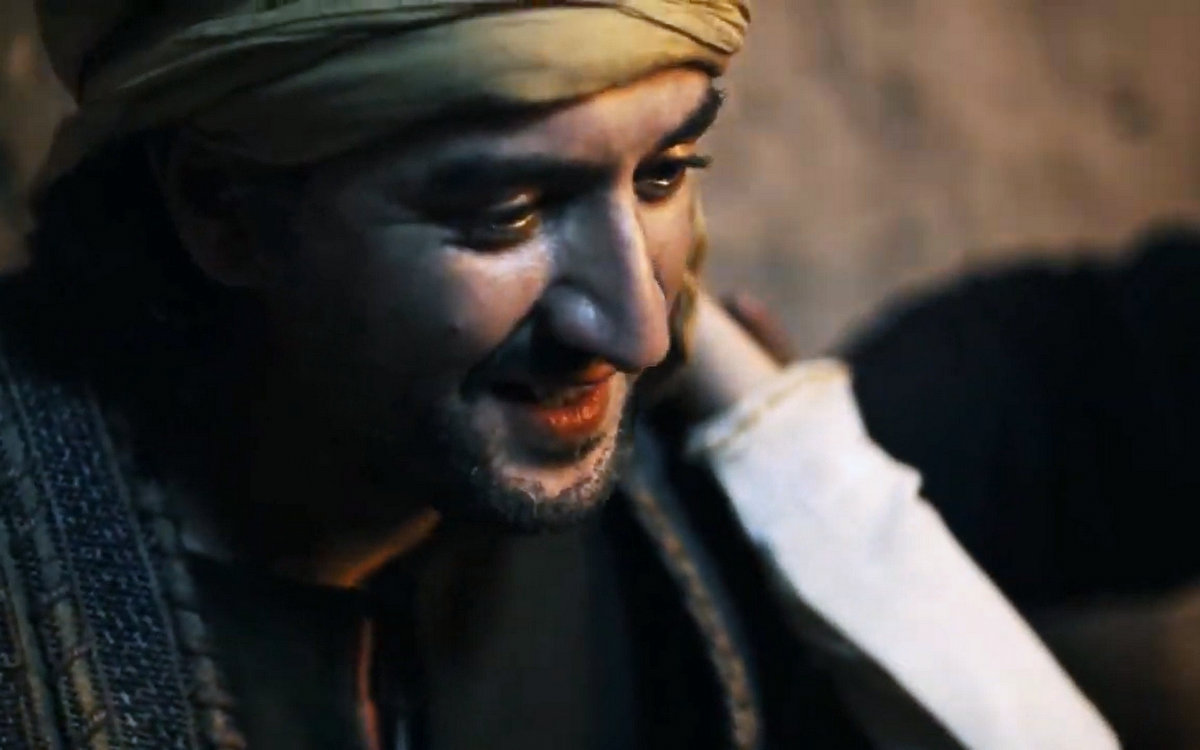
Scriptures: Matthew 1:18-25 Jesus is Born Matthew 1:18-25 Now the birth of Jesus Christ was like this: After his mother, Mary, was engaged to Joseph, before they came together, she was found pregnant by the Holy Spirit. 19 Joseph, her husband, being a righteous man, and not willing to make her a public example, intended to…

4. Jesus Born in Bethlehem
Scriptures: Luke 2:1-7 Jesus is Born Luke 2:1-7 Now in those days a decree went out from Caesar Augustus that all the world should be enrolled. 2 This was the first enrolment made when Quirinius was governor of Syria. 3 All went to enrol themselves, everyone to his own city. 4 Joseph also went up from…
5. The Shepherds and the Angels
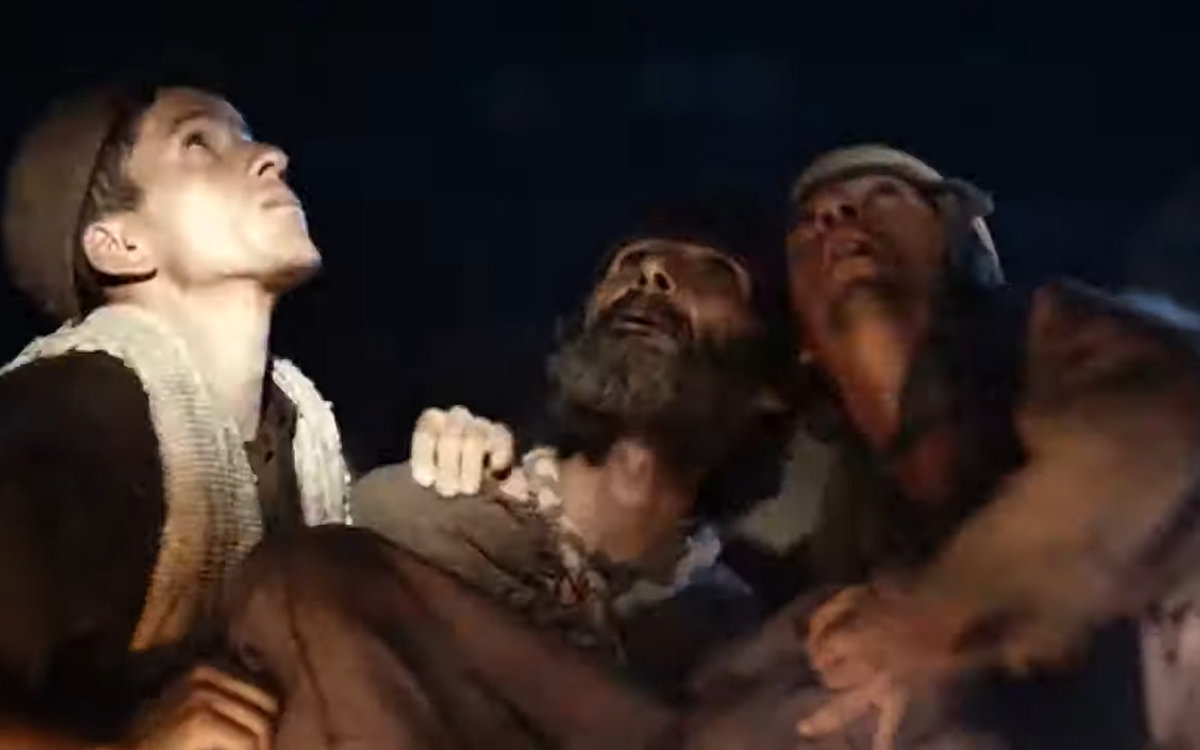
Scriptures: Luke 2:8-20 The Shepherds and the Angels Luke 2:8-20 There were shepherds in the same country staying in the field, and keeping watch by night over their flock. 9 Behold, an angel of the Lord stood by them, and the glory of the Lord shone around them, and they were terrified. 10 The angel said…
6. Jesus Presented at the Temple
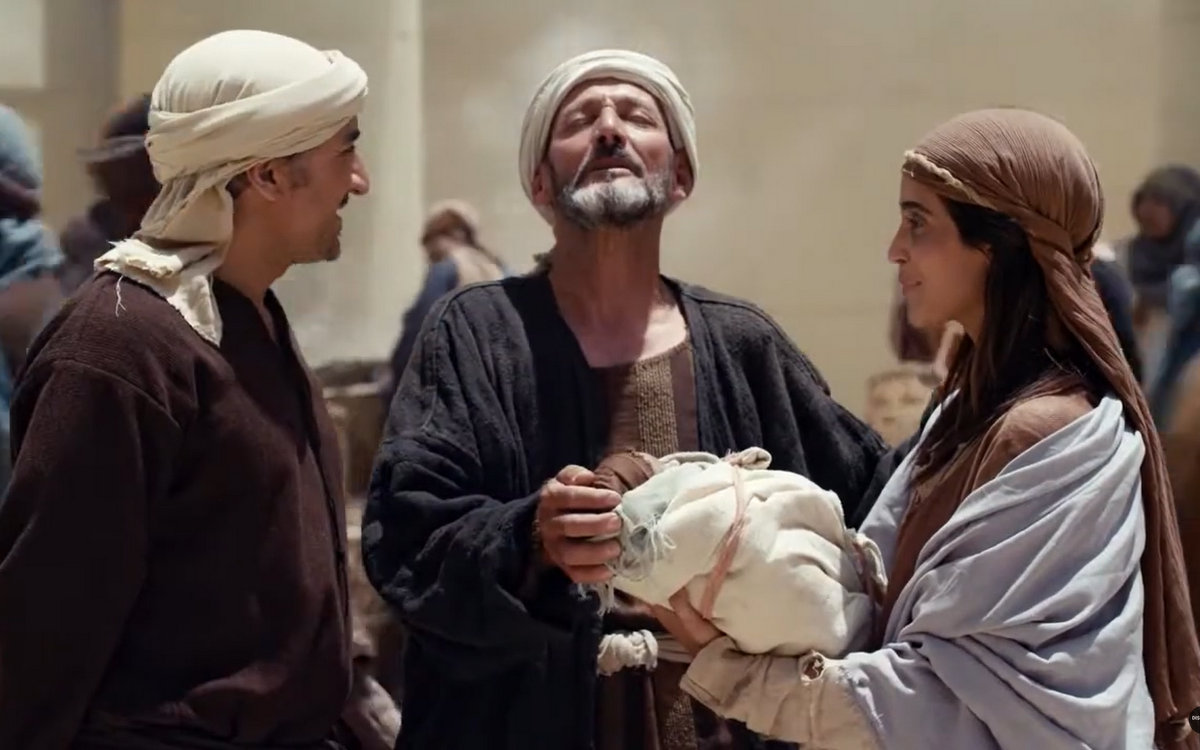
Scriptures: Luke 2:21-38 Jesus Presented at the Temple Luke 2:21-38 When eight days were fulfilled for the circumcision of the child, his name was called Jesus, which was given by the angel before he was conceived in the womb. 22 When the days of their purification according to the law of Moses were fulfilled, they brought…
7. The Wisemen Search for the New King
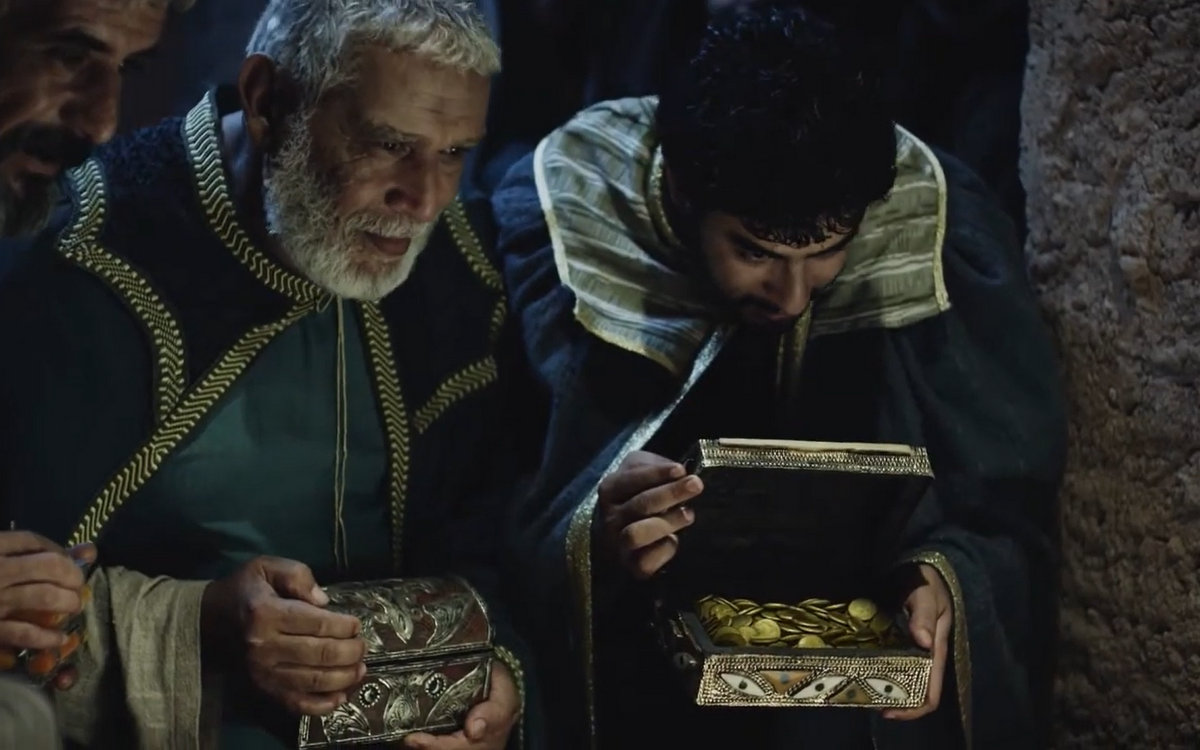
Scriptures: Matthew 2:1-12 The Visit of the Wise Men Matthew 2:1-12 Now when Jesus was born in Bethlehem of Judea in the days of King Herod, behold, wise men from the east came to Jerusalem, saying, 2 “Where is he who is born King of the Jews? For we saw his star in the east, and…
8. Escape to Egypt
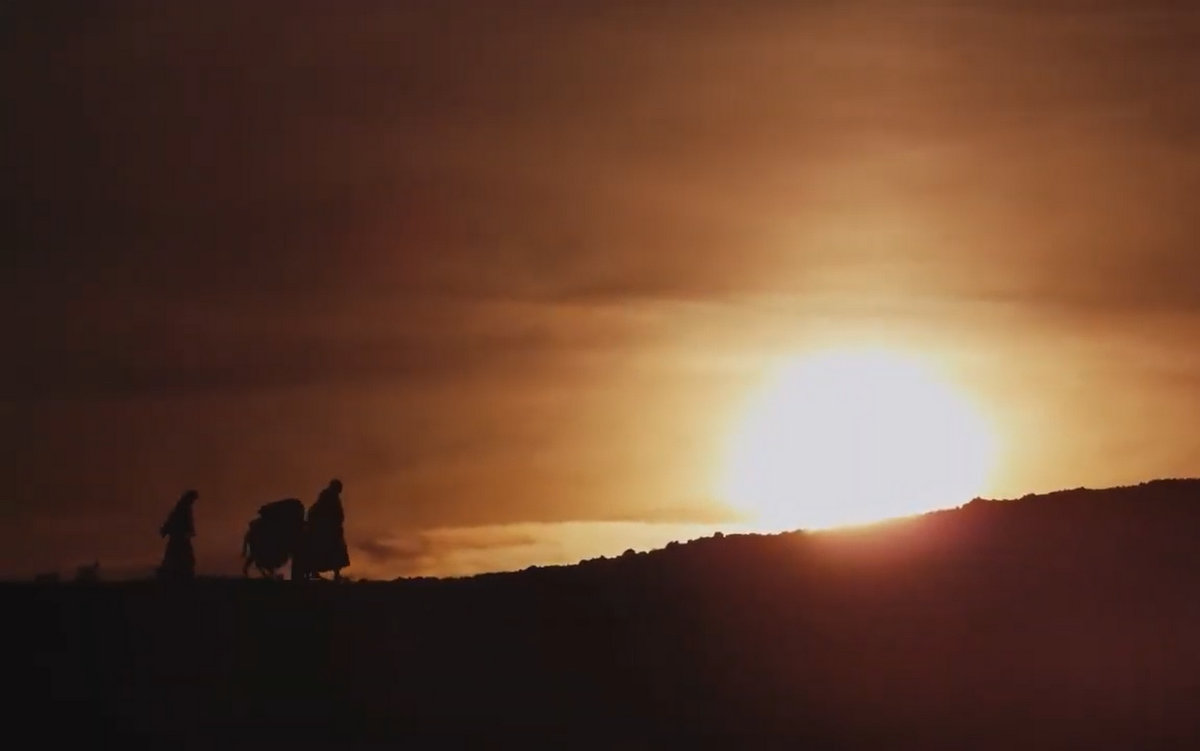
Scriptures: Matthew 2:13-23 The Flight to Egypt Matthew 2:13-15 Now when they had departed, behold, an angel of the Lord appeared to Joseph in a dream, saying, “Arise and take the young child and his mother, and flee into Egypt, and stay there until I tell you, for Herod will seek the young child to destroy…
9. The Boy Jesus
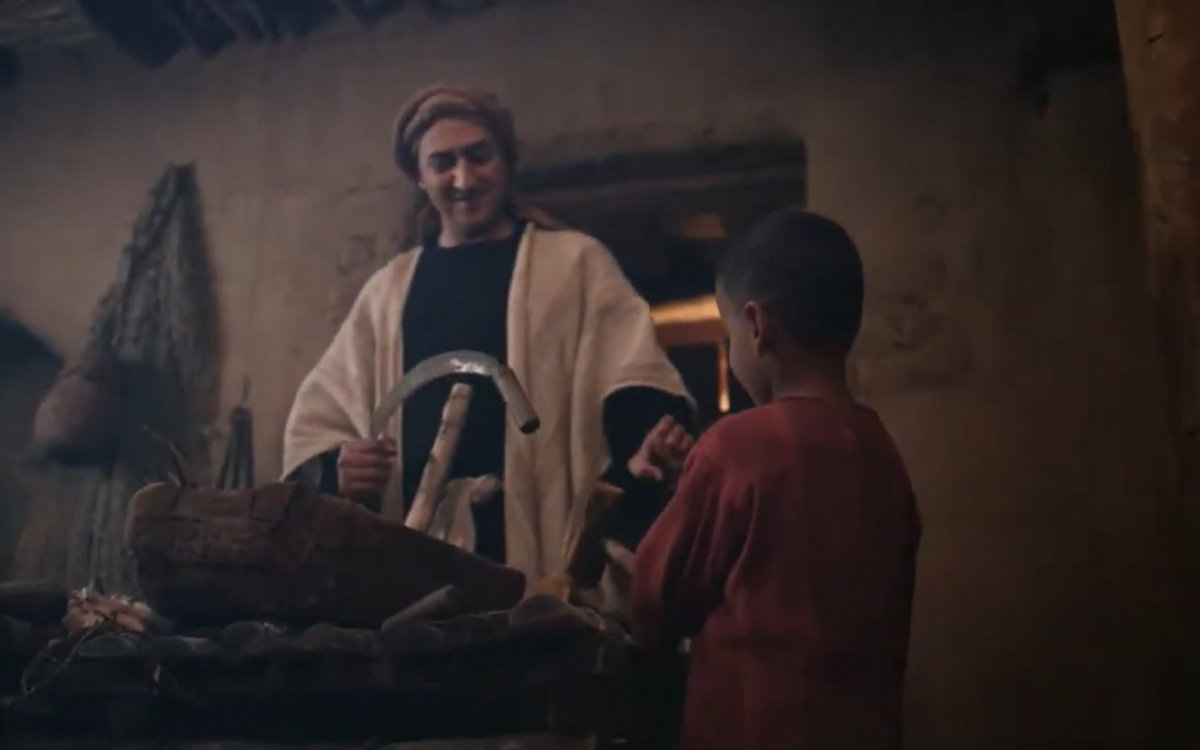
Scriptures: Luke 1:26-38 The Return to Nazareth Luke 2:39-40 When they had accomplished all things that were according to the law of the Lord, they returned into Galilee, to their own city, Nazareth. 40 The child was growing, and was becoming strong in spirit, being filled with wisdom, and the grace of God was upon him….
Go Deeper – Follow Jesus Blog
Unlocking the Gospels: 5 Surprising Truths That Change Everything
* Discover five surprising truths about the Gospels that can transform how you read the Bible. | * Learn why the Gospels aren’t eyewitness reports, how Jesus was more like his “enemies” than you think, and why “Jesus is Lord” was a political statement. | * Explore hidden references, the diversity of early Christianity, and how understanding the historical context unlocks new layers of meaning in the Gospels.
The Upside-Down Kingdom: Luke’s Revolutionary Portrait of Jesus
* The post discusses Luke’s Gospel as a revolutionary portrayal of Jesus, emphasizing a “kingdom upside down” that challenges traditional values. | * It highlights Jesus’ mission to uplift the poor, marginalized, and outcasts, not just offer spiritual salvation.
Luke frames discipleship as a journey, not a static role, and includes teachings on generosity and redefining “neighbor.” | * Jesus’ death is likened to a “new Exodus,” symbolizing liberation from sin and evil. | * True recognition of Jesus comes from seeing the world through His teachings, not personal agendas.
The Gospel of Mark Isn’t What You Think: 4 Surprising Insights
The Gospel of Mark challenges expectations by presenting Jesus not as a conquering king, but as a suffering servant who gives his life as a ransom. Mark’s narrative avoids direct commentary, letting actions and reactions reveal Jesus’ identity. A Roman soldier, not a disciple, first recognizes Jesus as the Son of God at the crucifixion. The original ending leaves the story unresolved, forcing readers to grapple with the claim of a risen Messiah.
An Upside-Down Kingdom: How Matthew Redefines Power and Grace
The Gospel of Matthew is more than a simple biography—it’s a meticulously crafted literary masterpiece. Structured as a “New Torah” with five deliberate sections, Matthew presents Jesus as a new Moses figure. The narrative’s lopsided pacing dedicates two-thirds to three years of ministry, then zooms into intense focus on Jesus’s final week in Jerusalem. Most radically, Matthew subverts expectations by portraying Jesus not as a conquering military king, but as a servant leader whose “upside-down kingdom” inverts worldly values—where honor comes through service, wealth through giving, and power through sacrifice.
More than a Biography: What John’s Gospel Reveals About Jesus
The Gospel of John isn’t just a biography—it’s a masterfully designed literary work. It opens with a cosmic poem declaring Jesus as the divine Word, then uses the number seven to structure miracles, titles, and “I am” statements. Through escalating conflict with Jewish leaders and a radical redefinition of power through foot-washing and the cross, John reveals Jesus as both fully divine and fully human. The narrative is intentionally crafted to lead readers to faith in his name.
Preparing the Way: John the Baptist and the Royal Arrival
John the Baptist prepared the way for Jesus, much like advance teams clear roads for a king’s arrival. His mission—calling people to repentance and spiritual readiness—echoes the ancient practice of preparing for a royal entrance. In a world seeking fame, John’s humility reminds us that true leadership is about pointing others to the Light, not seeking the spotlight. He made the way clear for the most important arrival of all.
A Joyful Meeting: When Two Mothers and Two Miracles Collided
When Mary arrived at Elizabeth’s home, she appeared like any other young woman—barely three months pregnant, showing no visible signs. But the moment she spoke, something extraordinary happened. The unborn John leaped in his mother’s womb, and Elizabeth, filled with the Holy Spirit, suddenly understood: her young cousin was carrying the Messiah. Imagine Elizabeth’s overwhelming joy—she knew someone, somewhere would bear the Savior, but discovering it was Mary, standing right there in her home, must have been breathtaking. Even before birth, John became the first witness to Christ’s presence.
The Two Freedoms: Why the Real Rescue Happens on the Inside
In a world where freedom is a rallying cry, we often long to be liberated from external forces — tyranny, injustice, oppression. The Jews of Jesus’ time longed for the same. But Zechariah’s prophecy in Luke 1 reveals a deeper truth: true freedom isn’t just from enemies — it’s from sin. God’s salvation delivers from both the world and the heart. This is the hope we all need — not just freedom from, but freedom for.
The Cry in the Desert: A Voice That Changed Everything
In the desolate hills of the Judean wilderness, a voice rang out—John the Baptist, a herald calling people to turn. He urged them to make a complete about-turn: leave behind greed, injustice, and pride, and walk a new path of love and truth. “Repent,” he said, not as a word of guilt, but as a call to change direction. When Jesus came to be baptized, the heavens opened—God’s voice declared, “You are my beloved Son.” John pointed the way. Christ fulfilled it. The call remains: turn, and walk toward grace.
Growing Up With the Messiah (And Not Knowing It)
How can we know someone for years—close, familiar, even intimate—and still miss who they truly are? John the Baptist knew Jesus as a cousin, a childhood friend, someone he shared family meals with. Yet he didn’t recognize Him as the Messiah. This isn’t about lack of closeness, but about the limits of human understanding. Even the most familiar relationships can hide deeper truths—truths only revealed by God. John needed the Spirit to confirm who Jesus truly was, reminding us that true recognition comes not from familiarity, but from divine revelation.
The Light and the Witness: John the Baptist’s Quiet Surrender
John the Baptist, though close to Jesus, recognized Him as the Messiah through divine revelation. Upon understanding his role, he declared, “He must increase, but I must decrease,” demonstrating humility and purpose. Both John and Jesus affirmed the same truth: the light had come. The choice was clear—accept the light or reject it. Jesus said, “He who does the truth comes to the light, that his works may be revealed, that they have been done in God” (John 3:21). John affirmed, “He who has received his witness has set his seal to this, that God is true” (John 3:33). The light had come, and the truth was clear.
When Doubt Meets Destiny: John the Baptist’s Question and Jesus’ Answer
Even the greatest among us face moments of doubt. John the Baptist, imprisoned and isolated, sent his disciples with a haunting question: “Are you the one who is coming, or should we look for another?” This is the same John who boldly proclaimed Jesus as the Lamb of God. Now, at his lowest point, he questioned everything. What strikes me most is Jesus’ response—He didn’t rebuke John for doubting. Instead, He offered compassionate evidence of His messianic work. John’s story reminds us that doubt doesn’t disqualify us from God’s purposes.
He Spoke the Truth—And It Cost Him His Life
John’s story ends not with a battle, but with a birthday party. He stood firm in truth—saying it was not lawful for Herod to have his brother’s wife. Even after imprisonment, Herod respected him. But when a daughter asked for his head, Herod chose pride over conscience. John gave his life for the truth. Herod gave his power to the moment. What would we have done when the cost is real?
How a Virgin’s “Yes” Became the World’s Hope
In a quiet Galilean town, Mary received a message that would change history. The angel Gabriel told her she would conceive by the Holy Spirit and bear a son called the Son of the Most High. Her question—“How can this be?”—was met with a promise: “For nothing spoken by God is impossible.” Then she said, “Behold, the servant of the Lord; let it be done to me according to your word.” Her “yes” was not born of certainty, but of faith. This is the moment the world’s hope began.
Mary’s Song: Beyond Pride, Beyond Prejudice, Beyond Prestige
Mary’s Song, found in Luke 1:51-53, reveals a world turned upside down. It’s a prophecy of God’s power overturning pride and exalting the humble. Jesus embodied this message, teaching us to serve rather than be served. As we reflect on the season, let’s examine our hearts and embrace the freedom found in humility, stepping beyond pride, prejudice, and the pursuit of prestige. Discover more in this reflection on Mary’s revolutionary song.
The Dilemma of Joseph and Mary: Honor in the Face of Scandal
The Christmas story is filled with wonder, but at its heart lies a human dilemma. Mary and Joseph faced impossible choices—legal peril, social shame, and a reality defying explanation. Let us ask ourselves: What would we do in their shoes? Their story challenges us to consider faith, trust, and the courage it takes to embrace the unexpected, reminding us that even in the darkest of times, hope can prevail.
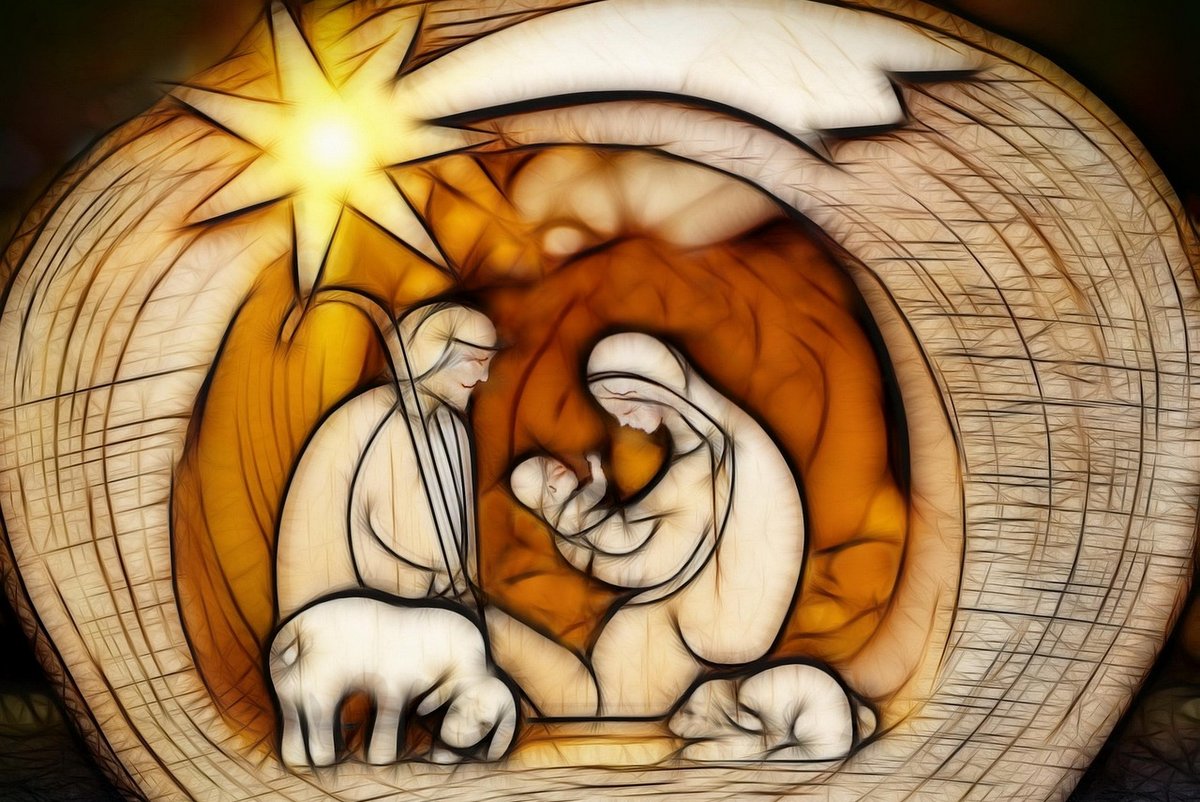
Timeless Truths: Matthew Henry’s Reflections on Jesus and Immanuel
The names Jesus and Immanuel reveal the heart of Christmas—salvation and divine presence. Jesus, meaning “the Lord saves,” declares His mission to rescue us from sin. Immanuel, “God with us,” unveils the miracle of God becoming human. Together, they show that Christ is both Savior and divine companion. This dual truth—redemption and relationship—defines the wonder of Christmas. Let’s embrace the hope and joy of a God who saves and dwells with us.

Bethlehem’s Legacy: God’s Kingdom Triumphs Over Human Systems
In Bethlehem, a baby was born not in a palace, but in a manger—while a Roman census forced His parents to travel. God used a system of control to fulfill His redemptive plan. Today, as governments push digital IDs and surveillance, we see the same pattern: human systems, even oppressive ones, are used by God to bring His purposes to light. The Kingdom of God triumphs—not through power, but through grace. The King is coming. Will you choose His kingdom?
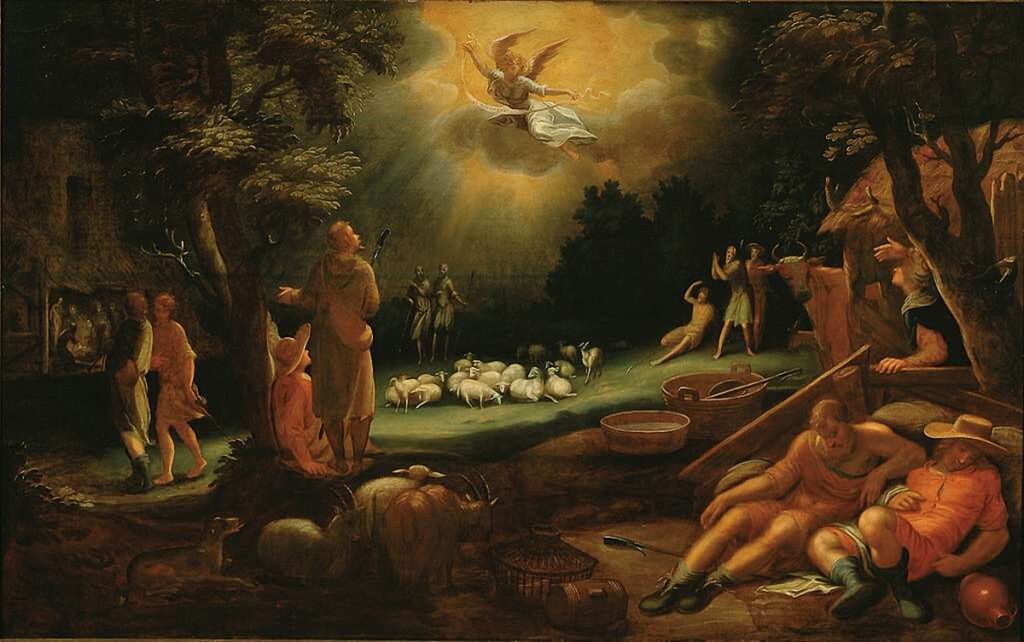
The First Evangelists: When Heaven Became the First Preachers
On a quiet winter night, angels broke the silence with a message of joy—good news for all people. The first evangelists weren’t preachers, but heavenly messengers. The first sermon wasn’t from a pulpit, but from the sky. This Christmas, remember: the greatest message in history began not with words, but with a song—“Glory to God in the highest, and on earth peace, good will toward men.” The good news is for everyone. And it’s still being shared.
The Aged Watcher: Simeon’s Encounter with the Messiah
What if you waited a lifetime for a promise? Simeon did, watching and praying in the Temple. Luke 2 reveals his incredible encounter with the newborn Jesus—a moment of joy tinged with prophecy. Explore Simeon’s story, unlock the meaning of his words, and discover how his aged watchfulness changed the world forever.

Following the Star: A Dangerous Quest to Meet the New King
In a world ruled by fear, three wise men from the East followed a star—not for glory, but to worship the King of kings. They were not Jews, nor did they have the Scriptures—but they sought truth, and God met them in the journey. Meanwhile, Herod, a man of power and paranoia, tried to destroy the child he feared. But God protected the infant Jesus through a dream, revealing that the light of the world shines even in the darkest places. This is the Christmas story in its fullness: grace for the seeker, no matter where they come from.
Fleeing to Egypt: How God Turns Evil into Redemption
In the shadow of Herod’s rage, God orchestrated salvation. Joseph, Mary, and the infant Jesus fled by night into Egypt, guided by a divine dream. Herod sought to destroy the Messiah, but God turned his evil into fulfillment of prophecy. This is the heart of the Gospel: no evil can thwart God’s plan. Even in chaos, He is sovereign. Trust Him. He is writing your story too.
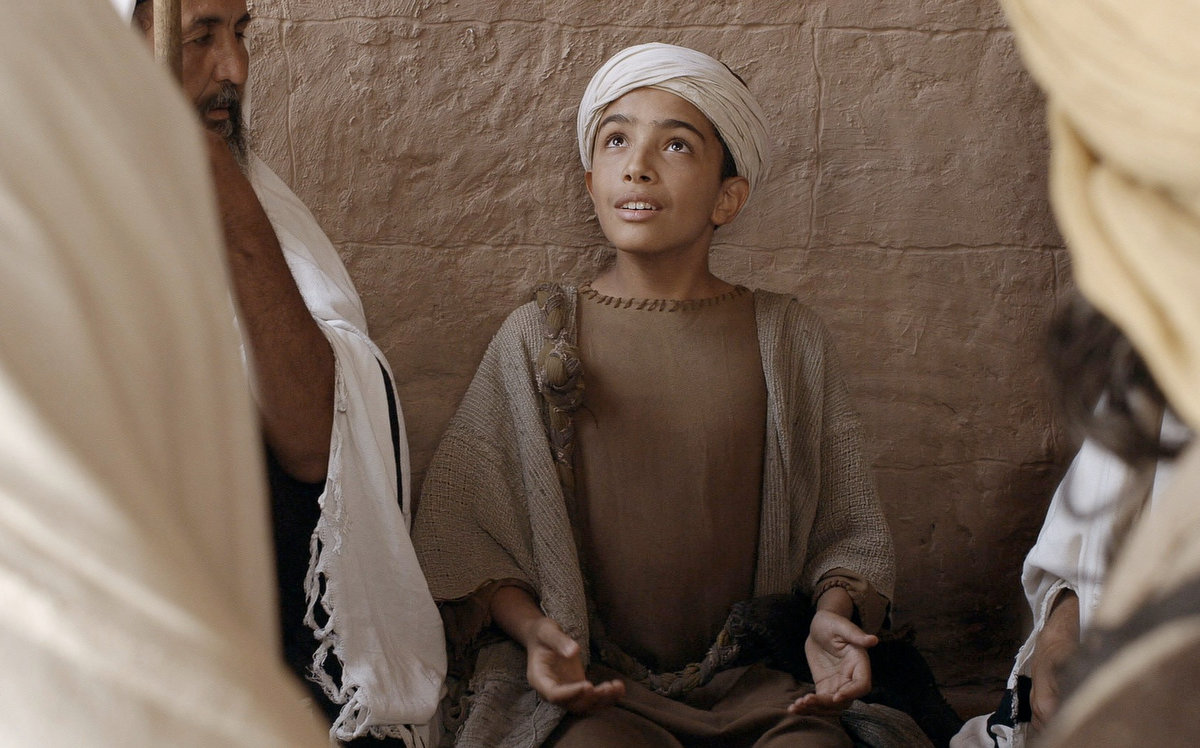
When God Works in Silence: Lessons from Jesus’ Childhood
Did you know Jesus spent most of his life in quiet, ordinary years—before his public ministry? Only 14 verses in Luke cover his childhood, yet they reveal a boy who was strong in spirit, filled with wisdom, and blessed by God’s grace. At age 12, he declared, “I must be in my Father’s house”—a glimpse into his divine purpose. This post explores what we know about Jesus’ formative years and how his quiet growth shaped the One who would change the world.
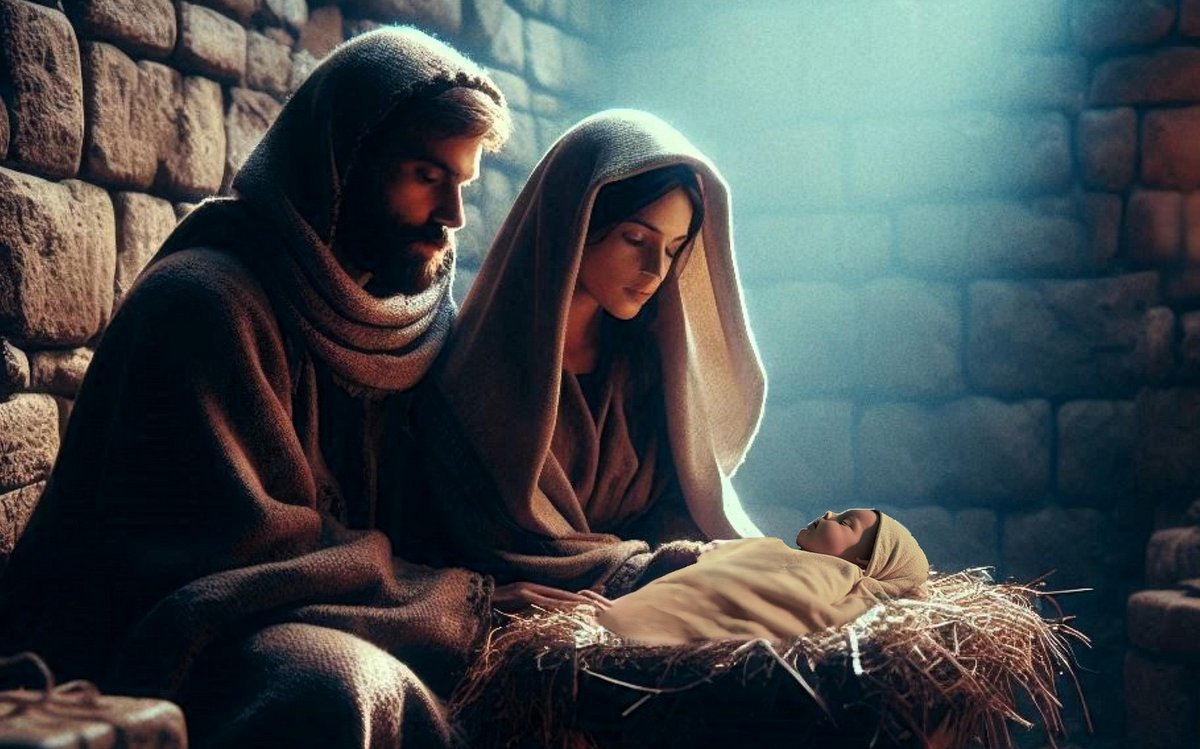
Going to the Heart: Mary’s Ponderings
Some things are for telling, others for pondering. As we conclude Part 1 of Following Jesus through the Gospels, let’s pause on Mary’s quiet response to the angelic announcement and the shepherds’ visit. Luke tells us Mary “kept all these sayings, pondering them in her heart.” What did she ponder? How can we follow her example of treasuring God’s word, reflecting deeply, and letting it shape our lives? Let’s explore the power of quiet meditation on God’s truth.