
More than a Biography: What John’s Gospel Reveals About Jesus
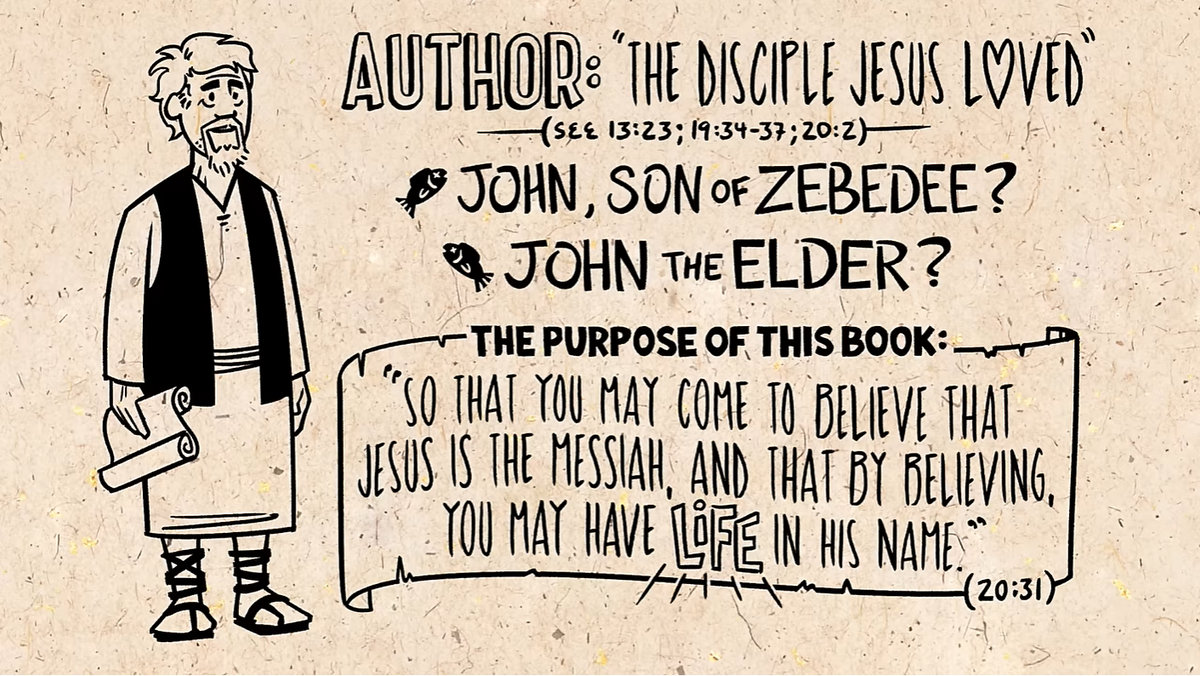
Most people know the basic stories of Jesus—his miracles, teachings, and death. But the Gospel of John is different. It’s not just a record of events; it’s a carefully written message meant to show who Jesus really is. The author, an eyewitness, writes to convince readers that Jesus is both fully human and fully divine. The Gospel is structured to lead the reader to a big decision: believe in Jesus or not.
It Starts with a Cosmic Idea
Instead of beginning with Jesus’s birth, the Gospel of John starts with a deep theological statement: “In the beginning was the Word.” This echoes the creation story in Genesis and presents Jesus as the divine Word of God—both separate from God and equal to God. Then it says this Word became human in Jesus. The Gospel compares Jesus to the divine presence that once filled the Ark of the Covenant in the Old Testament. In other words, God has now come to live among people in the form of Jesus. This opening sets the tone: this is not just a biography, but a bold claim about Jesus’s identity.
It Uses the Number Seven to Build Its Message
The Gospel is carefully structured around the number seven. In the first chapter, people give Jesus seven different titles, setting up the main themes of the book. There are also seven major miracles, called “signs,” that show Jesus’s power and reveal his true nature. The first sign is turning water into wine. The sixth and most dramatic sign is raising Lazarus from the dead, which leads the religious leaders to decide Jesus must be killed. The final and greatest sign is Jesus’s own resurrection.
In addition, Jesus makes seven “I am” statements, such as “I am the bread of life,” and in other moments he simply says “I am”—a direct reference to God’s name revealed to Moses. The climax of this pattern happens when soldiers come to arrest Jesus. When they ask, “Who are you?” Jesus replies, “I am,” and they fall back, showing his divine power even in his moment of surrender.
Jesus Challenges Jewish Traditions
The first half of the Gospel follows a pattern of conflict. Jesus enters Jewish institutions and sacred festivals, and in each case, he makes a bold claim about himself that causes tension and anger. For example, when he clears the Temple, he says his body is the true place where heaven and earth meet. When he speaks with Nicodemus, he says people need a “new birth” to understand God’s kingdom. During major feasts, Jesus uses the symbols of the festival to show he is greater than them. This pattern shows that Jesus isn’t just following Jewish tradition—he’s claiming to be its fulfillment and even its replacement.
True Victory Comes Through Service
In the final part of the Gospel, Jesus redefines power and victory. During the Last Supper, he washes his disciples’ feet—a task normally done by a servant. He explains that this act shows his purpose: to reveal God as a loving, self-giving being. When he tells Pilate, “My Kingdom is not from this world,” he means his kingdom works differently—through love and service, not control. The ultimate example of this is the cross. Instead of fighting back, Jesus allows himself to be killed. In John’s view, this act of self-giving love is how Jesus defeats evil. The cross becomes the place where victory is won—not by force, but by love. This becomes the model for his followers: to love one another through acts of service and generosity.
Final Thought
The Gospel of John is not just a story—it’s a carefully crafted message. Its structure, use of symbols, and dramatic storytelling all point to one purpose: to help people believe that Jesus is the Messiah and that through faith, they can have eternal life.