
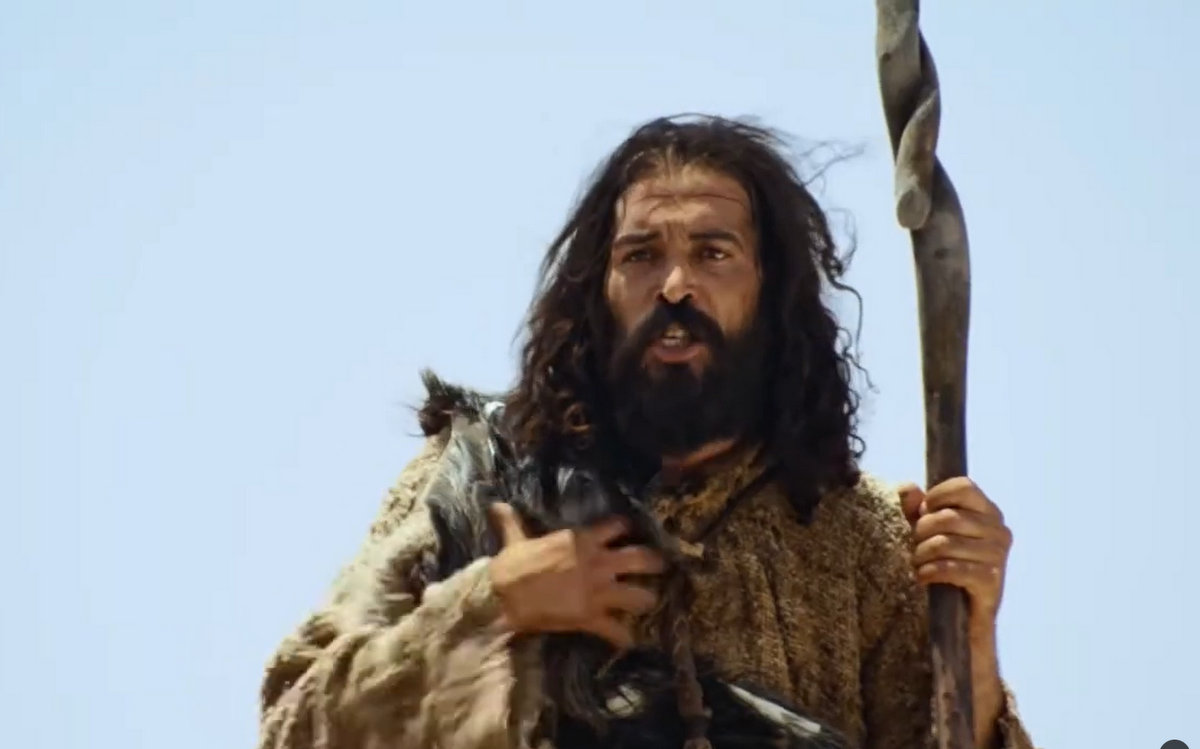
The Cry in the Desert: A Voice That Changed Everything
In the desolate hills of the Judean wilderness, a voice rang out—clear, urgent, and unmistakable. John the Baptist, dressed in camel’s hair and eating wild honey, proclaimed a message that would change the course of history: “Repent, for the Kingdom of Heaven is at hand” (Matthew 3:2). He was not a man of comfort, but a herald—a lone voice crying in the wilderness, calling people to turn from their sins and prepare for the coming of the Messiah.
A Prophecy Fulfilled
His message was rooted in a powerful prophecy from Isaiah:
“The voice of one crying in the wilderness: ‘Make ready the way of the Lord. Make his paths straight. Every valley will be filled. Every mountain and hill will be brought low. The crooked will become straight, and the rough ways smooth. All flesh will see God’s salvation’” (Luke 3:4–6).
This is not a call to build roads or level terrain—it is a spiritual metaphor. The “valleys” represent the lowly, the broken, the marginalized. The “mountains” symbolize the proud, the powerful, the self-righteous. The “crooked paths” are the ways of pride, hypocrisy, and unrepentant hearts. And the “straightening” of the way? It happens in the heart.
Repentance That Transforms
John didn’t just preach repentance—he showed what it looked like. When the crowds asked, “What then must we do?” (Luke 3:10), he didn’t offer abstract theology. He called for action: share your clothes, give food to the hungry, and be honest in your work (Luke 3:11–13). Repentance wasn’t just sorrow—it was transformation. It meant living differently, loving more, and letting go of greed and injustice.
No Salvation by Heritage
But John did not spare the religious leaders. When the Pharisees and Sadducees came to be baptized, he called them “offspring of vipers” (Matthew 3:7). They believed their lineage—being children of Abraham—was enough to secure God’s favor. But John made it clear: no one is saved by identity or tradition. As he said, “God is able to raise up children to Abraham from these stones” (Matthew 3:9). The kingdom of God is not about bloodline—it’s about transformation.
The Fulfillment in the Messiah
And then, in a moment of divine contrast, Jesus came to be baptized by John. Though He was without sin, He chose to enter the water, saying, “It is fitting for us to fulfill all righteousness” (Matthew 3:15). As He came up from the water, the heavens opened. The Spirit descended like a dove, and a voice from heaven declared, “You are my beloved Son, in whom I am well pleased” (Matthew 3:17).
This was the ultimate fulfillment of Isaiah’s vision. The way of the Lord was made straight—not by human effort, but by the coming of the Son of God. The valleys of brokenness were filled with grace. The mountains of pride were brought low. The crooked paths of sin were made straight by the righteousness of Christ.
A Call That Echoes Today
John the Baptist was a voice in the wilderness, not for the sake of being heard, but to point the way to the One who would make all things new. His message still echoes today: repentance is not just a word—it is a change of heart and a change of life. And in the end, it is not our religious credentials or moral performance that make us pleasing to God, but the grace of Christ, who is the beloved Son, in whom God is well pleased.
Let us be like John—not in our isolation, but in our boldness to speak truth, even when it’s uncomfortable. Let us be like Jesus—humble, obedient, and fully aligned with the Father’s will. And let us remember: the greatest message of hope is not found in our own efforts, but in the voice from heaven that says, “You are mine.”